PSLE 华文 Oral · Category
Family & Home
家庭生活
Family topics let students bring real Chinese-speaking grandparents, aunties, and dinner-table moments into the answer. The trick is specificity — name the dish 奶奶 cooks, the phrase 爷爷 says, the small ritual — rather than reciting that 我爱我的家人 (I love my family).
Why this category matters
Elderly-care topics (敬老, 独居老人, 祖孙之情) appeared in four of the last seven PSLE 华文 oral cycles. Family-bonding themes are equally consistent. Together they're the second-highest-frequency category.
Topics in this category
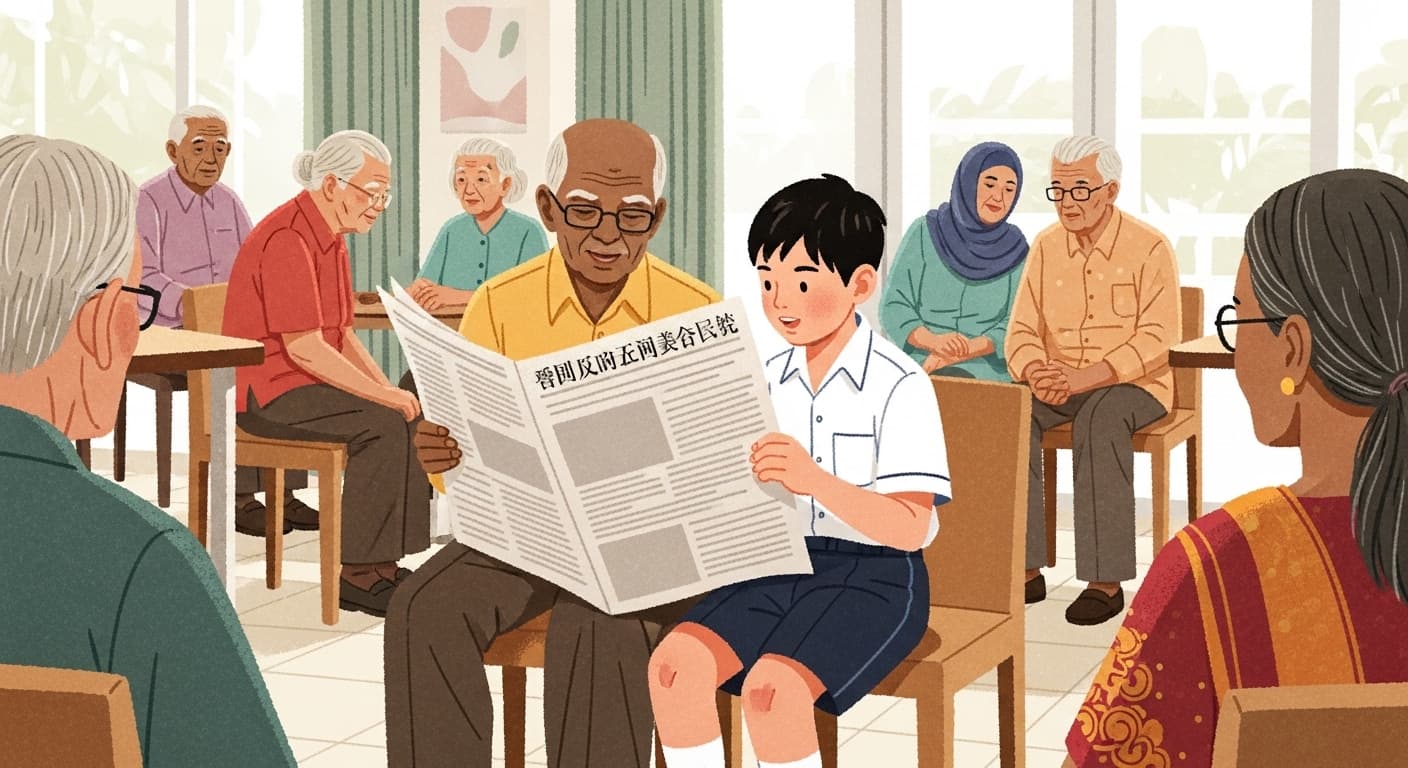
Caring for the Elderly
敬老
Examiners reward warmth on elderly-care topics. Name your own grandparent or 邻居老人 (elderly neighbour) — not 老人需要关怀 (the elderly need care).
Practise this topic →
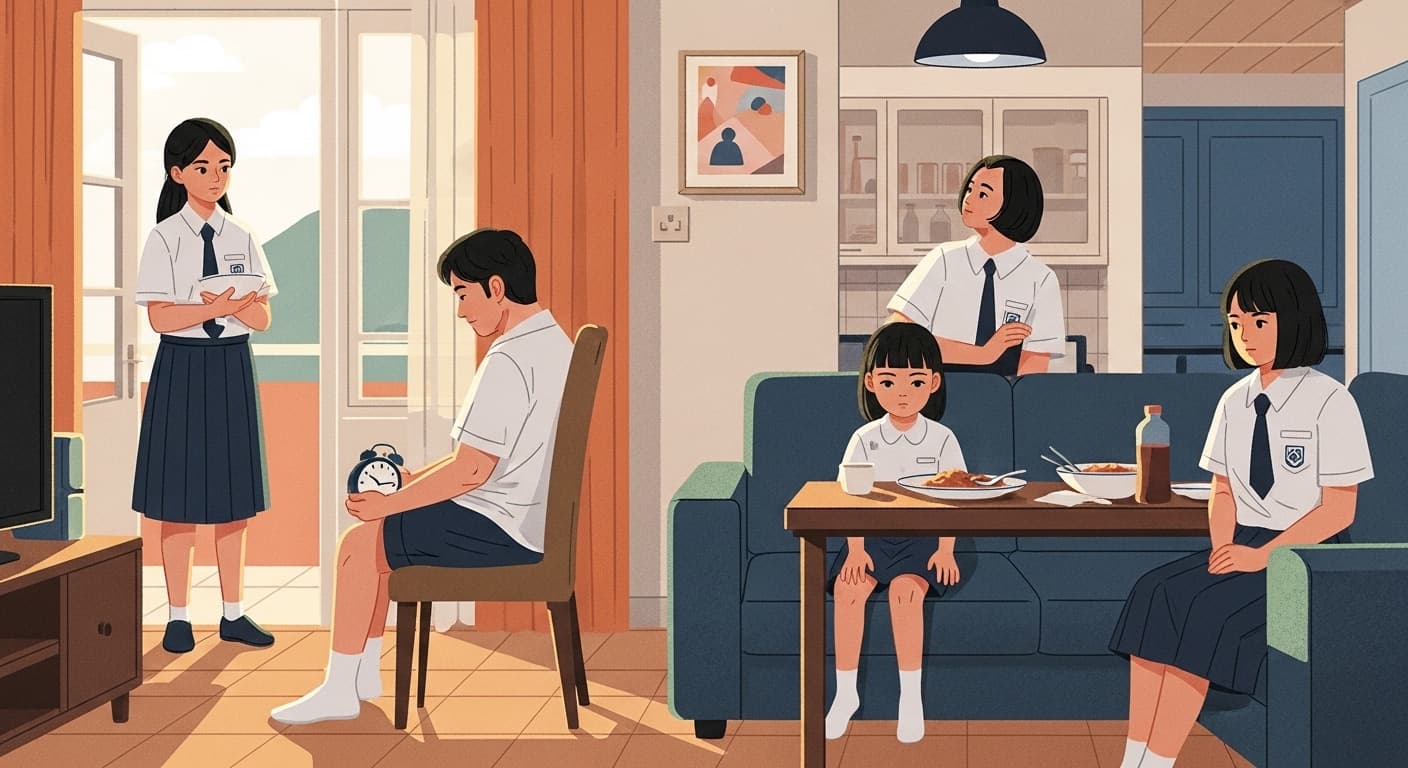
Family Relationships
家庭关系
Family-bonding stimuli are warm and accessible. The danger is 我家人都很好 (my family is all great) — pick one parent, one sibling, one moment.
Practise this topic →
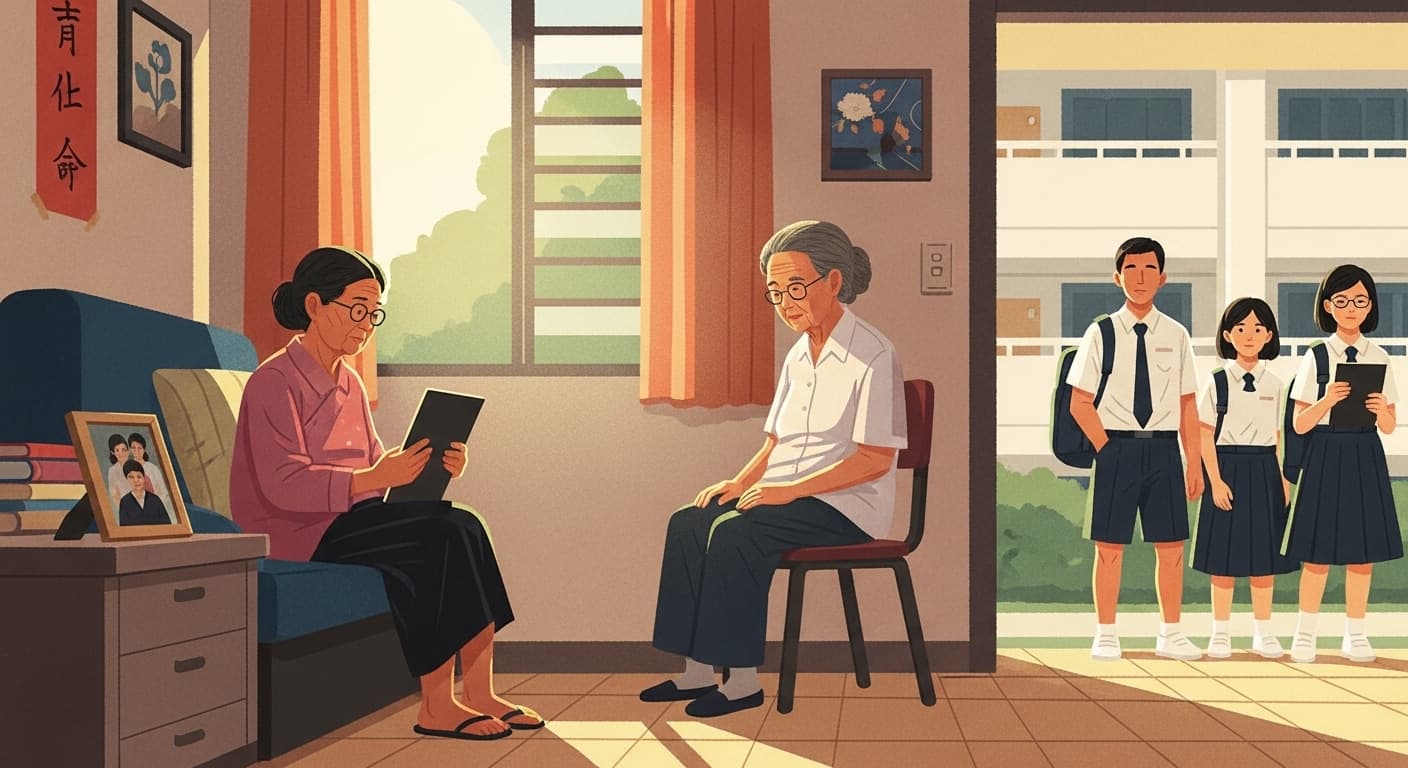
Seniors Living Alone
独居老人
Lonely-senior topics test empathy. Name what the senior in YOUR block looks like, what they do, and one small thing you've done.
Practise this topic →
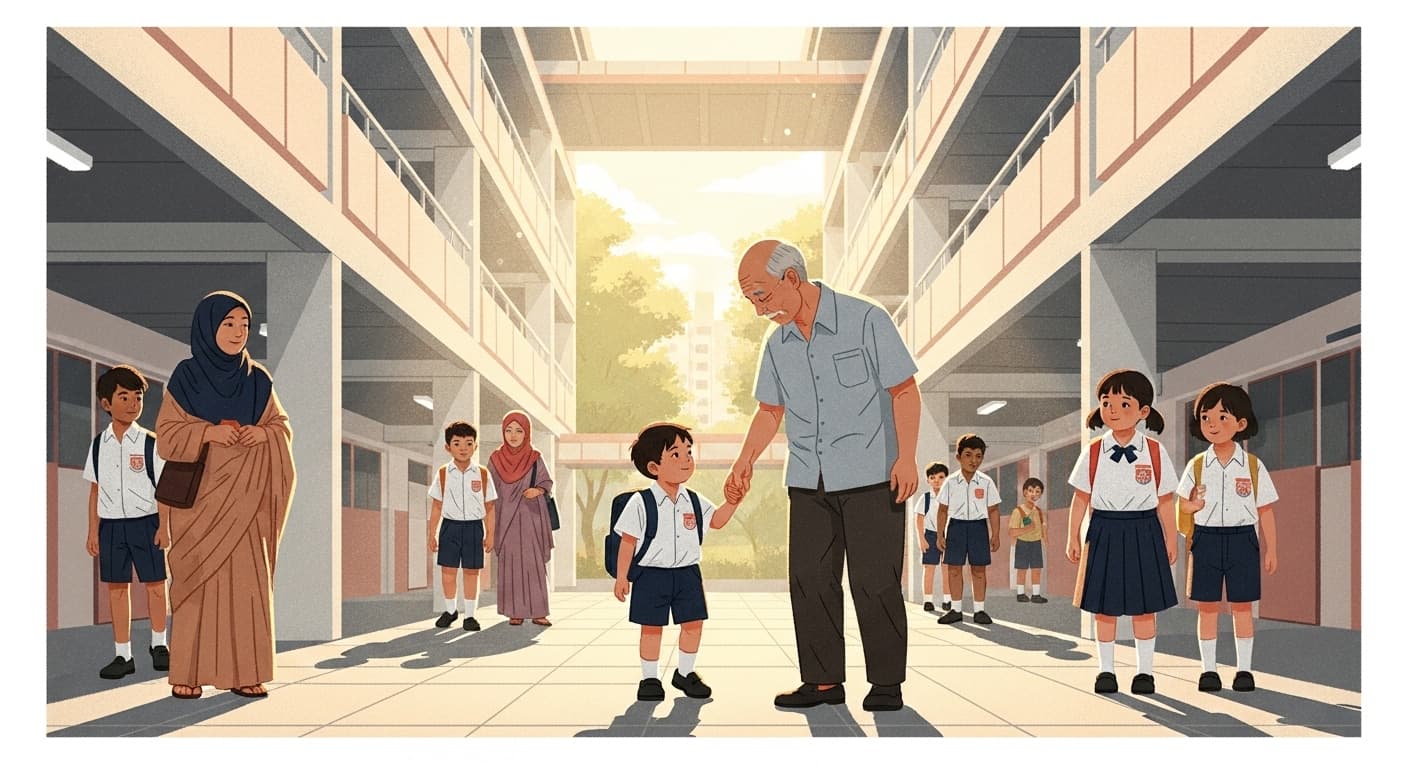
Grandparent-Grandchild Bond
祖孙之情
Grandparent topics reward warmth. Name the dish 奶奶 cooks, the phrase 爷爷 says, the game you play. One detail outweighs every 敬老 framing.
Practise this topic →
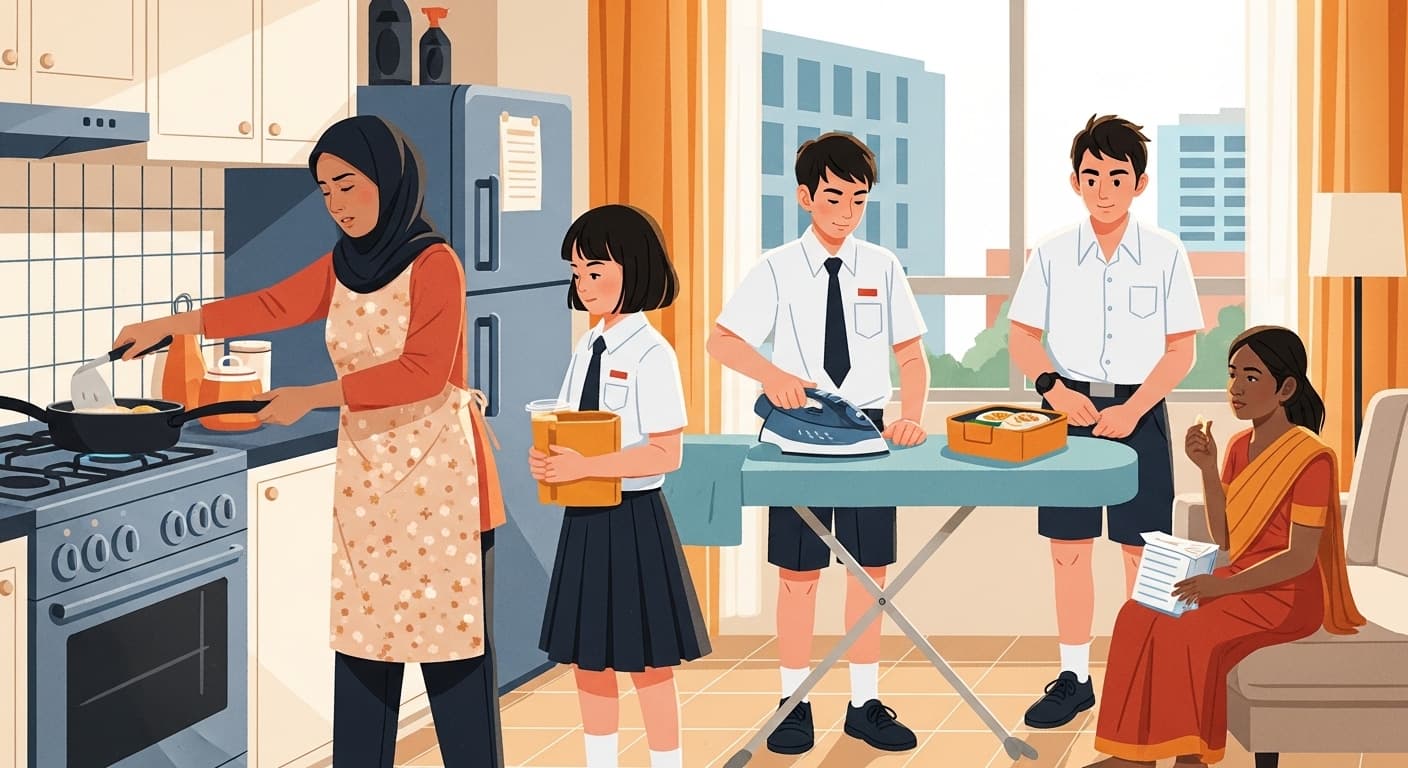
Mother's Hard Work
妈妈的辛苦
Mum-themed prompts are warm but the danger is 妈妈很辛苦 (mum is hardworking) repeated three ways. Name what she does on a Tuesday, and what you'd find hard.
Practise this topic →

Family Dinner
家庭聚餐
Family-dinner topics reward routine specifics. The dish on the table, who cooks, what you talk about — that's where the marks live.
Practise this topic →
Vocabulary bank for this category
- 孝顺xiàoshùn— filial / respectful to parents
他是个孝顺的孩子。
He is a filial child.
- 长辈zhǎngbèi— elders / older generation
我们应该尊敬长辈。
We should respect our elders.
- 关爱guān'ài— loving care
老人需要我们的关爱。
The elderly need our loving care.
- 团圆tuányuán— reunion (family)
中秋节是团圆的日子。
Mid-Autumn is a day for family reunion.
- 辛苦xīnkǔ— hard-working / strenuous
妈妈每天工作很辛苦。
Mum works very hard every day.
- 体贴tǐtiē— considerate / thoughtful
他对妈妈很体贴。
He is very thoughtful towards his mother.
Common mistakes to avoid
- Saying 我家人很好 (my family is great) without specifics — name a dish, a phrase, a routine. Generic warmth scores low.
- Speaking about 老人 as a category instead of YOUR grandparent. Examiners can tell when a student is describing an idea rather than a person.
- Treating 你同意吗 questions on family (e.g. 父母太严格) as a slogan rather than a moment. One real evening at home outscores any framework.
For parents
Show your child an old family photo and ask 「这是什么时候拍的?谁在里面?发生了什么事?」 (When was this taken? Who's in it? What happened?). One photo, three questions — that's almost a full Q1 + Q2 in 60 seconds.
Practise with an AI examiner
Practise any topic in this category with our AI 华文 examiner — free for the first 10 sessions.
Real PSLE 华文 oral conversation format: video stimulus, three examiner questions, instant scoring on the SEAB rubric, bilingual feedback for parents.
Start 10 free practice sessionsNo credit card · No time limit on the trial