PSLE 华文 Oral · Category
High-Frequency Topics
高频话题
These are the themes SEAB pulls from year after year. If your child can confidently handle the conversation around each topic in this category, they walk into the exam with very few surprises.
Why this category matters
PSLE 华文 oral has a predictable theme pool — community, family, technology, environment, health, values. At least one of the two exam days almost always mirrors a topic in this category. Drilling these is the highest-leverage prep your child can do.
Topics in this category
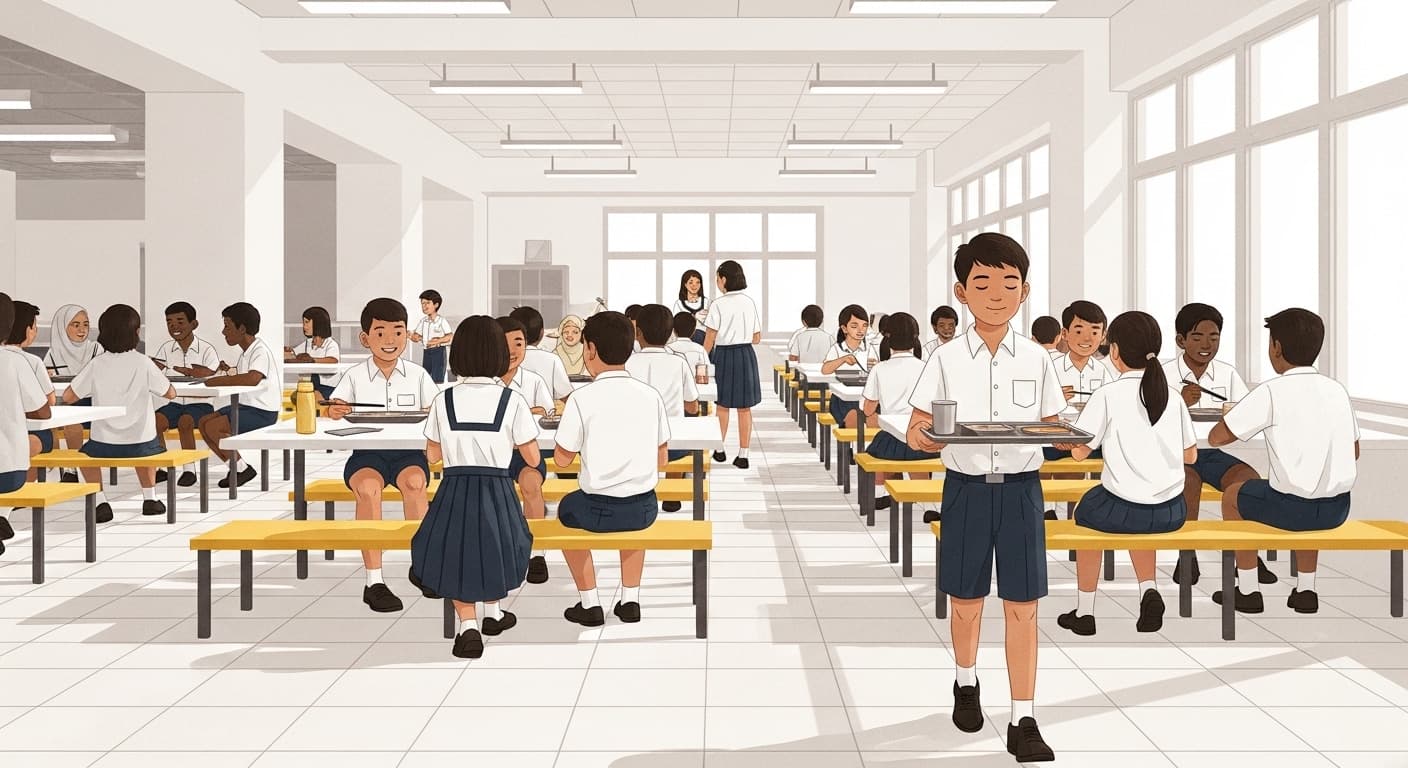
Helping Others
互相帮助
Helping-others stimuli appear in nearly every PSLE 华文 oral cycle — including the 2025 Day 1 examiner question. The high-scoring answer doesn't moralise about kindness; it tells one specific story of a moment the student helped someone, and what they learnt from it.
Read & practise →

Technology & Life
科技与生活
Family-on-devices stimuli are growing each cycle. The high-scoring answer doesn't blame phones — it names a specific family rule and what changed afterwards.
Practise this topic →
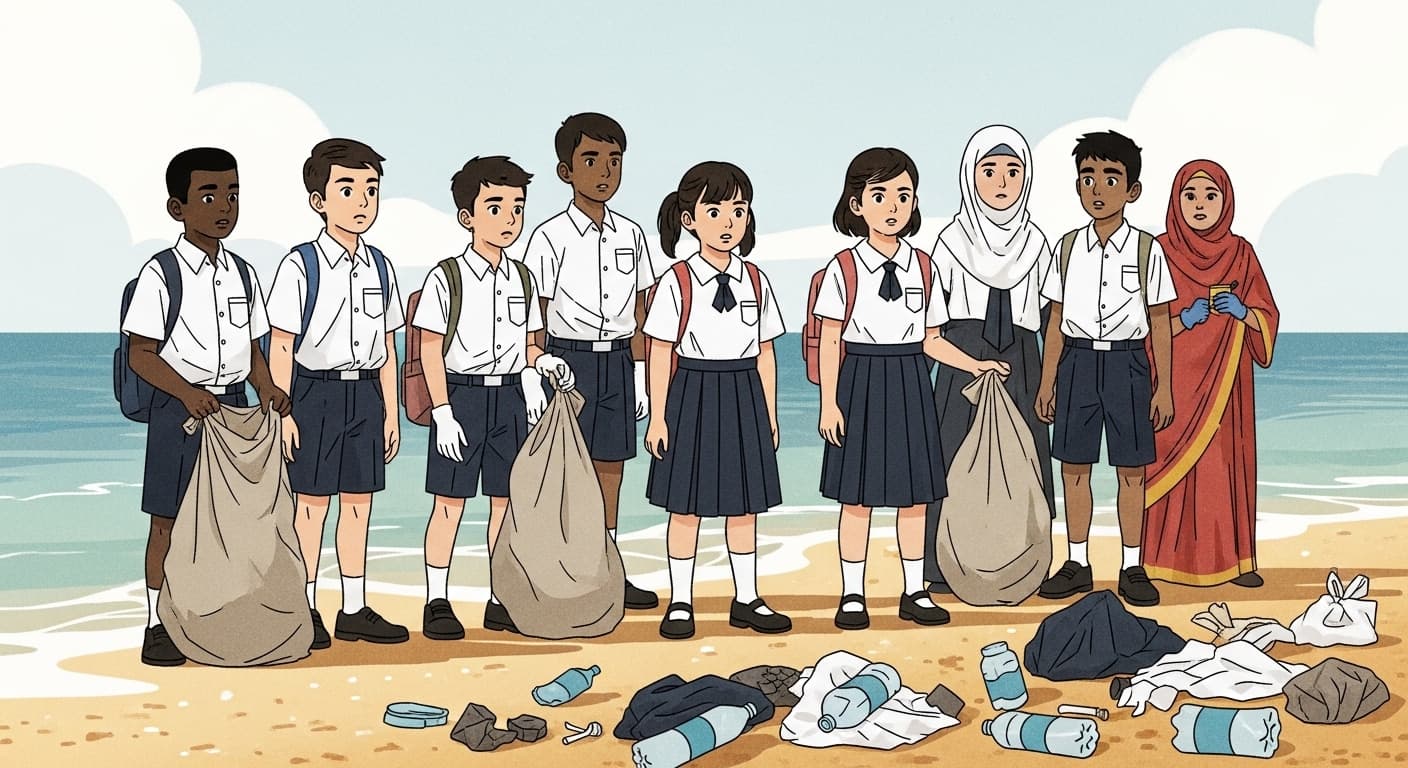
Environment
环保
Beach clean-up rescues a sea turtle. The score comes from one specific habit your family actually has — not 我们要保护环境 (we should protect the environment).
Practise this topic →
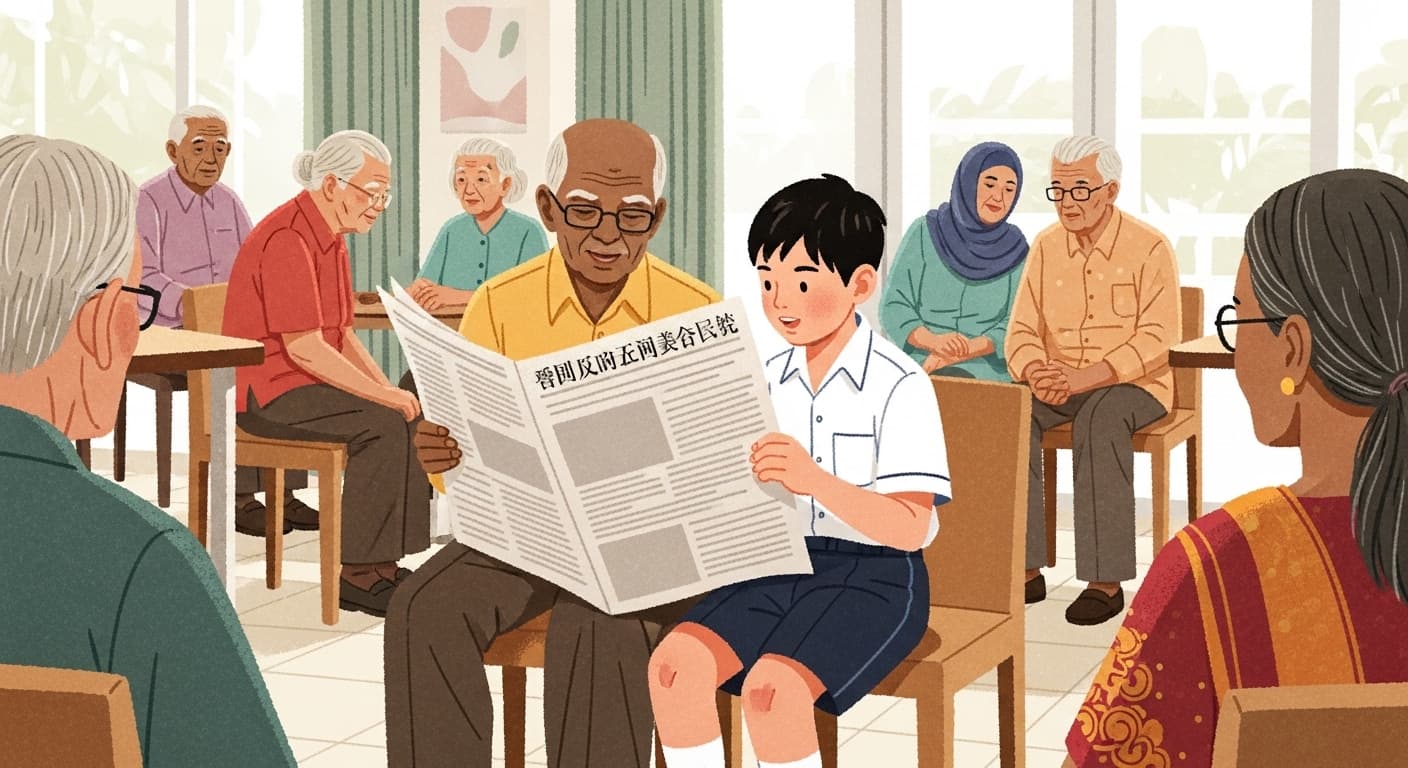
Caring for the Elderly
敬老
Examiners reward warmth on elderly-care topics. Name your own grandparent or 邻居老人 (elderly neighbour) — not 老人需要关怀 (the elderly need care).
Practise this topic →
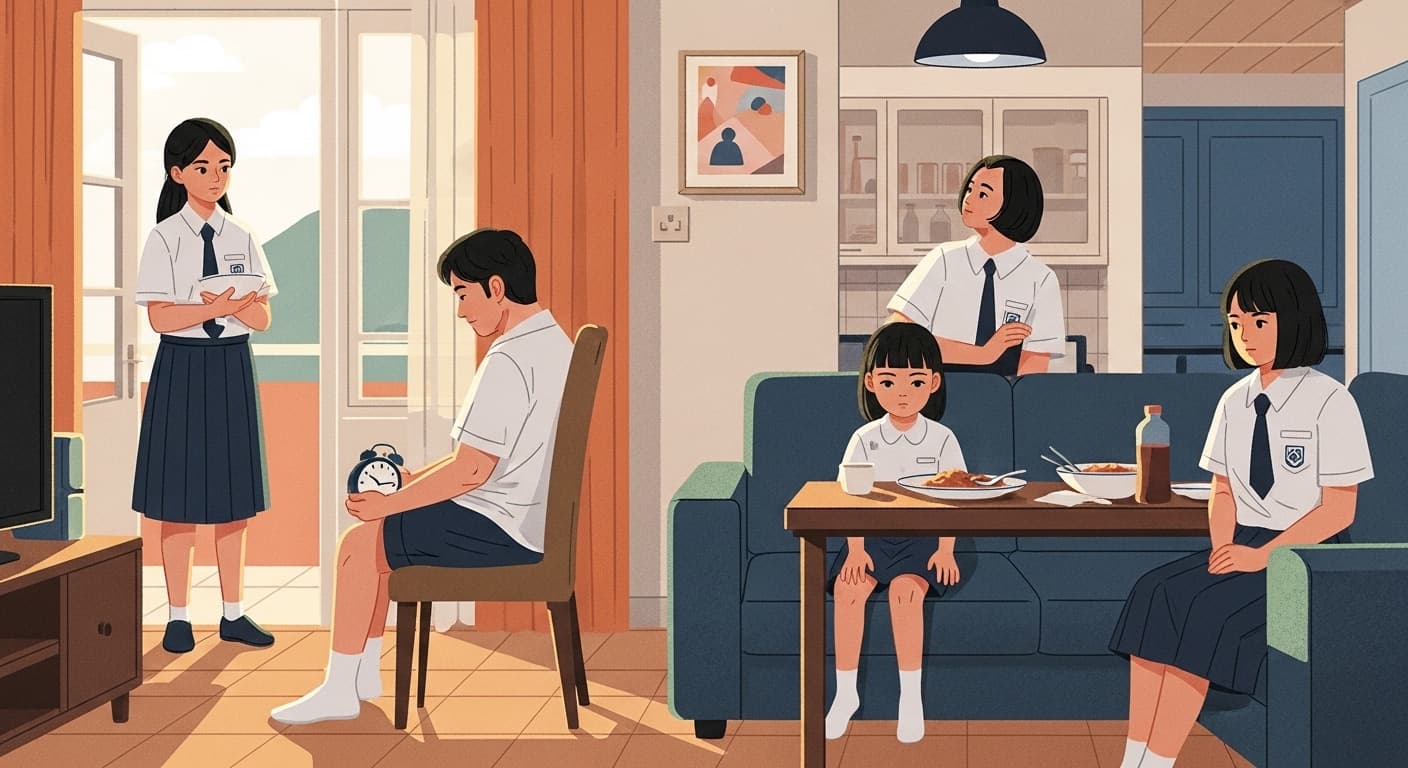
Family Relationships
家庭关系
Family-bonding stimuli are warm and accessible. The danger is 我家人都很好 (my family is all great) — pick one parent, one sibling, one moment.
Practise this topic →

Phone Addiction
手机上瘾
Most students will say 我从不沉迷手机 (I never get addicted to my phone). Examiners hear the lie. Admit one weakness, name one rule, score higher.
Practise this topic →
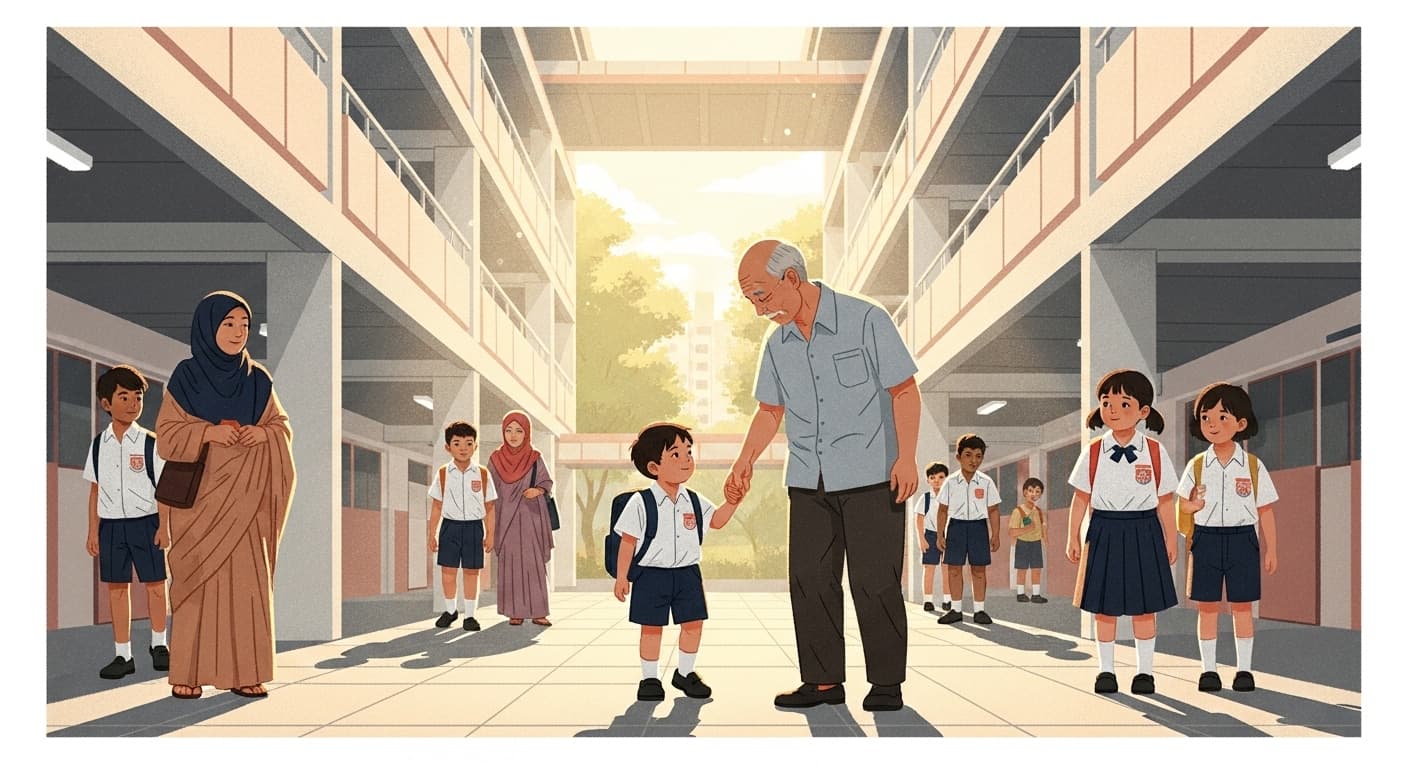
Grandparent-Grandchild Bond
祖孙之情
Grandparent topics reward warmth. Name the dish 奶奶 cooks, the phrase 爷爷 says, the game you play. One detail outweighs every 敬老 framing.
Practise this topic →

Exam Stress
考试压力
Don't pretend you have no exam stress. Examiners don't believe it. Name what helps — a routine, a parent, a sport — and explain why.
Practise this topic →
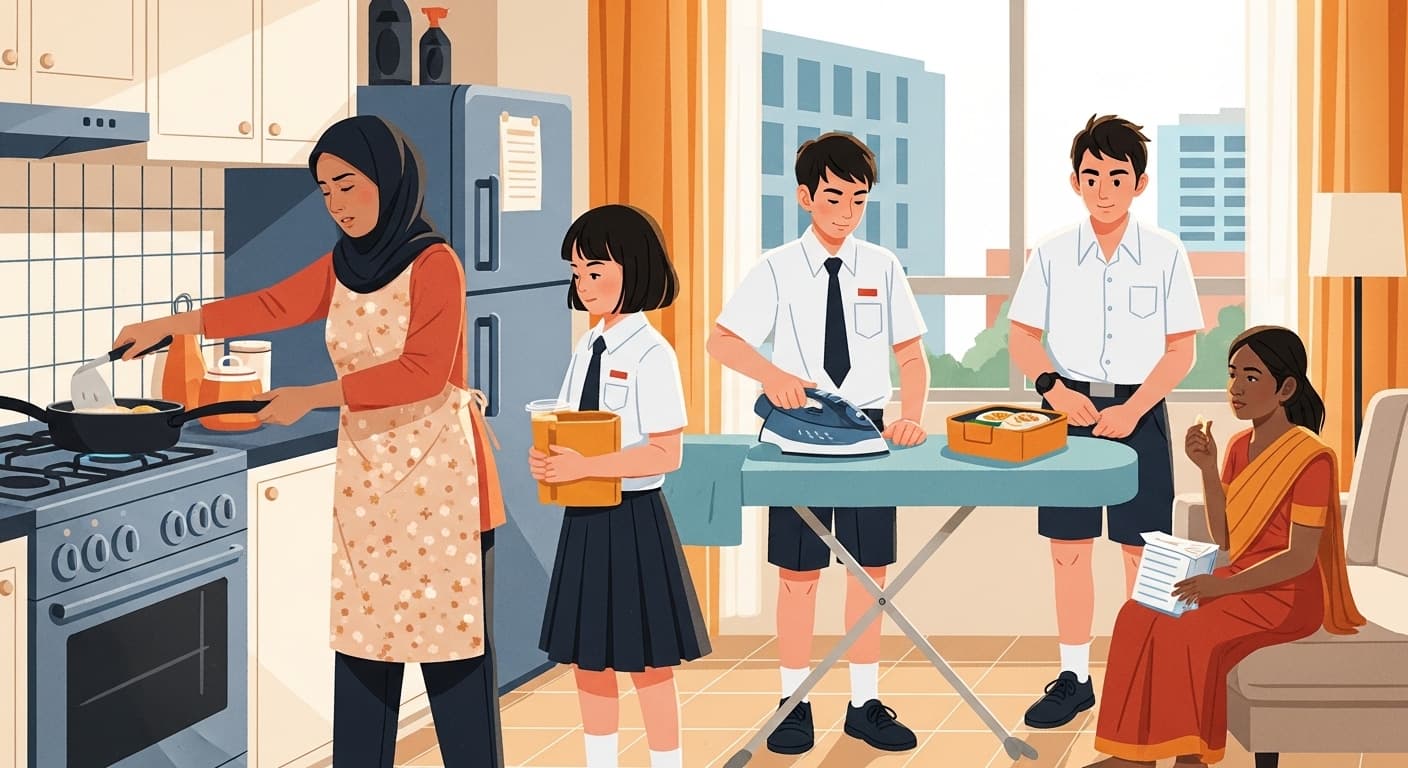
Mother's Hard Work
妈妈的辛苦
Mum-themed prompts are warm but the danger is 妈妈很辛苦 (mum is hardworking) repeated three ways. Name what she does on a Tuesday, and what you'd find hard.
Practise this topic →
Vocabulary bank for this category
- 互相— mutually / each other
同学之间应该互相帮助。
Classmates should help each other.
- 关心guānxīn— to care about
我们要关心身边的人。
We should care about the people around us.
- 健康jiànkāng— health / healthy
健康比什么都重要。
Health is more important than anything.
- 环保huánbǎo— environmental protection
环保从小事做起。
Environmental protection starts with small actions.
- 科技kējì— technology
科技让生活更方便。
Technology makes life more convenient.
- 礼貌lǐmào— manners / politeness
讲礼貌是一种美德。
Being polite is a virtue.
Common mistakes to avoid
- Memorising one paragraph and reusing it across topics — examiners follow up, and the rehearsed answer collapses on the second probe.
- Treating 你同意吗 (Do you agree?) as a yes/no answer. Pick a side, defend it with one example, and don't flip when the examiner pushes back.
- Skipping the personal-experience question (Q2) by going straight to opinion. Examiners reward a real moment from your child's own life.
For parents
Pick one topic from this category each weekend for 12 weeks. By exam day, your child will have lived through every high-frequency theme — and you'll know which ones still need work.
Practise with an AI examiner
Practise any topic in this category with our AI 华文 examiner — free for the first 10 sessions.
Real PSLE 华文 oral conversation format: video stimulus, three examiner questions, instant scoring on the SEAB rubric, bilingual feedback for parents.
Start 10 free practice sessionsNo credit card · No time limit on the trial