PSLE 华文 Oral · Category
Values, Manners & Thrift
品德礼仪
Values topics test reasoning, not slogans. Q3 will ask things like 学生应不应该追求名牌? (Should students chase brand names?) or 礼貌还重要吗? (Are manners still important?) — the high-scoring answer names a CONSEQUENCE rather than declaring importance.
Why this category matters
Manners and thrift themes recur every few cycles (排队的礼貌, 买名牌, 义卖会). They reveal thinking. Students who can argue from consequence — 没有礼貌,社会就会乱 — score higher than those who say 礼貌很重要 three times.
Topics in this category

Being Thrifty
节俭
Q3 trap: 节俭过时了吗? (Has thrift gone out of fashion?). Defend either answer with a household rule from your own home.
Practise this topic →
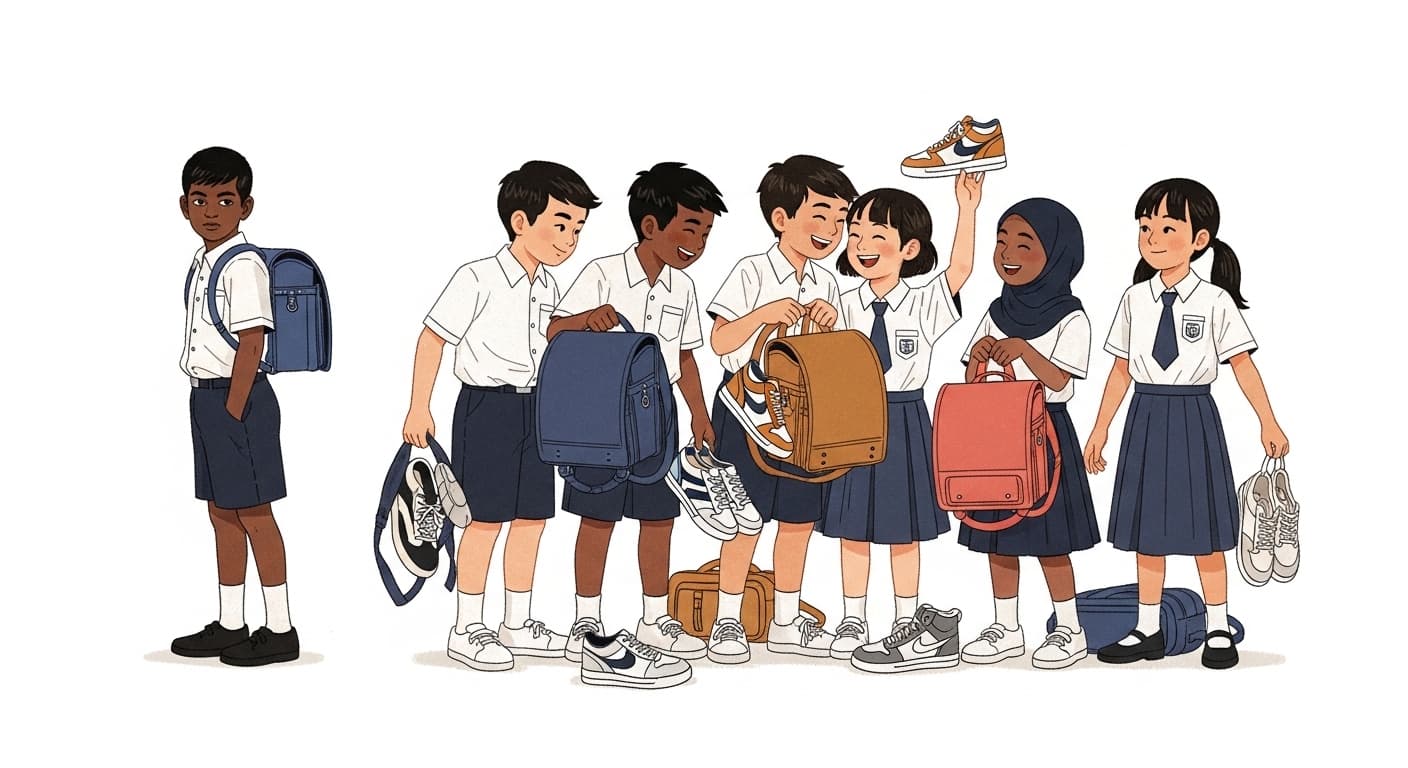
Chasing Brands
买名牌
Brand-chasing Q3 probes 学生应该追求名牌吗? (Should students chase brand names?). Take a clear side. Defend with a household rule, not a slogan.
Practise this topic →
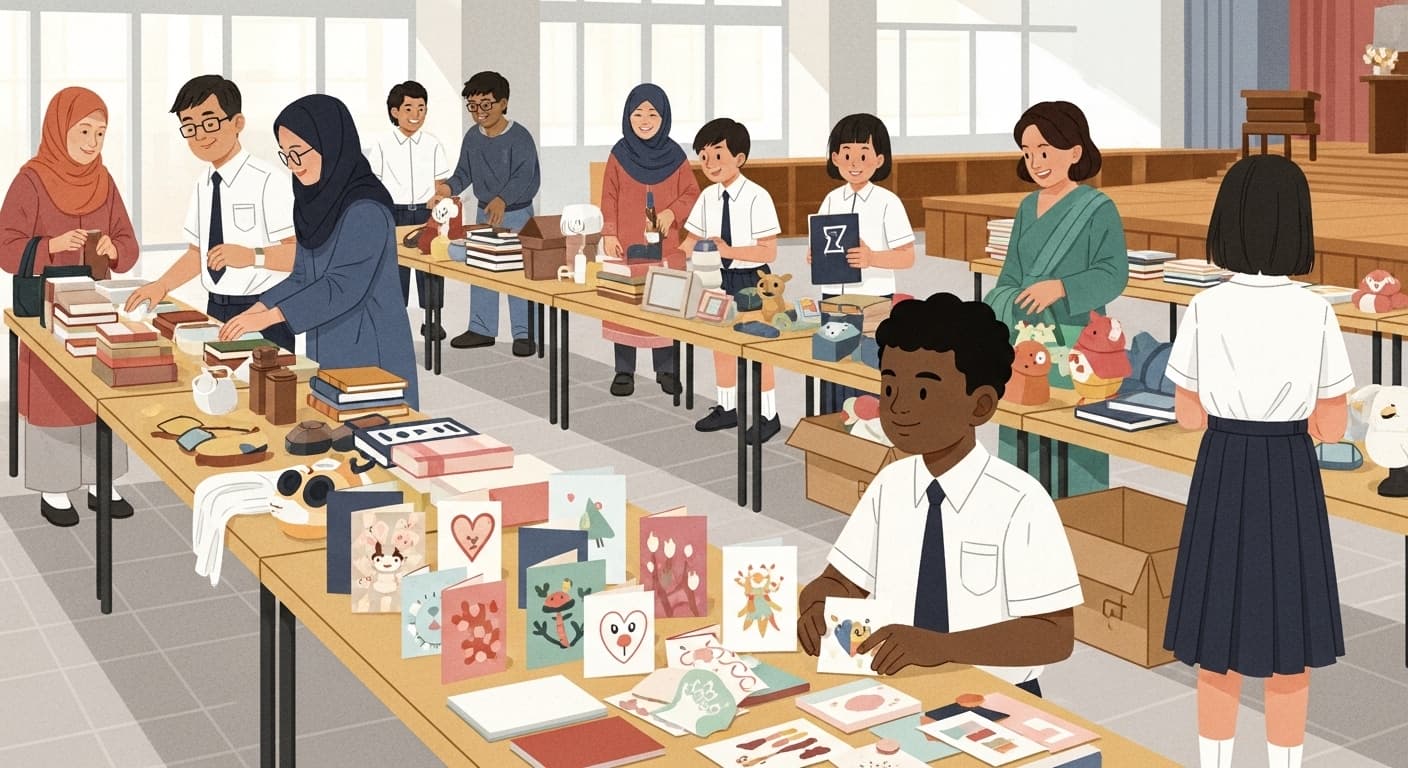
Charity Sale
义卖会
Charity-sale topics let students describe a real school event. Specifics — the stall, the item, what the money went to — beat 义卖很有意义.
Practise this topic →
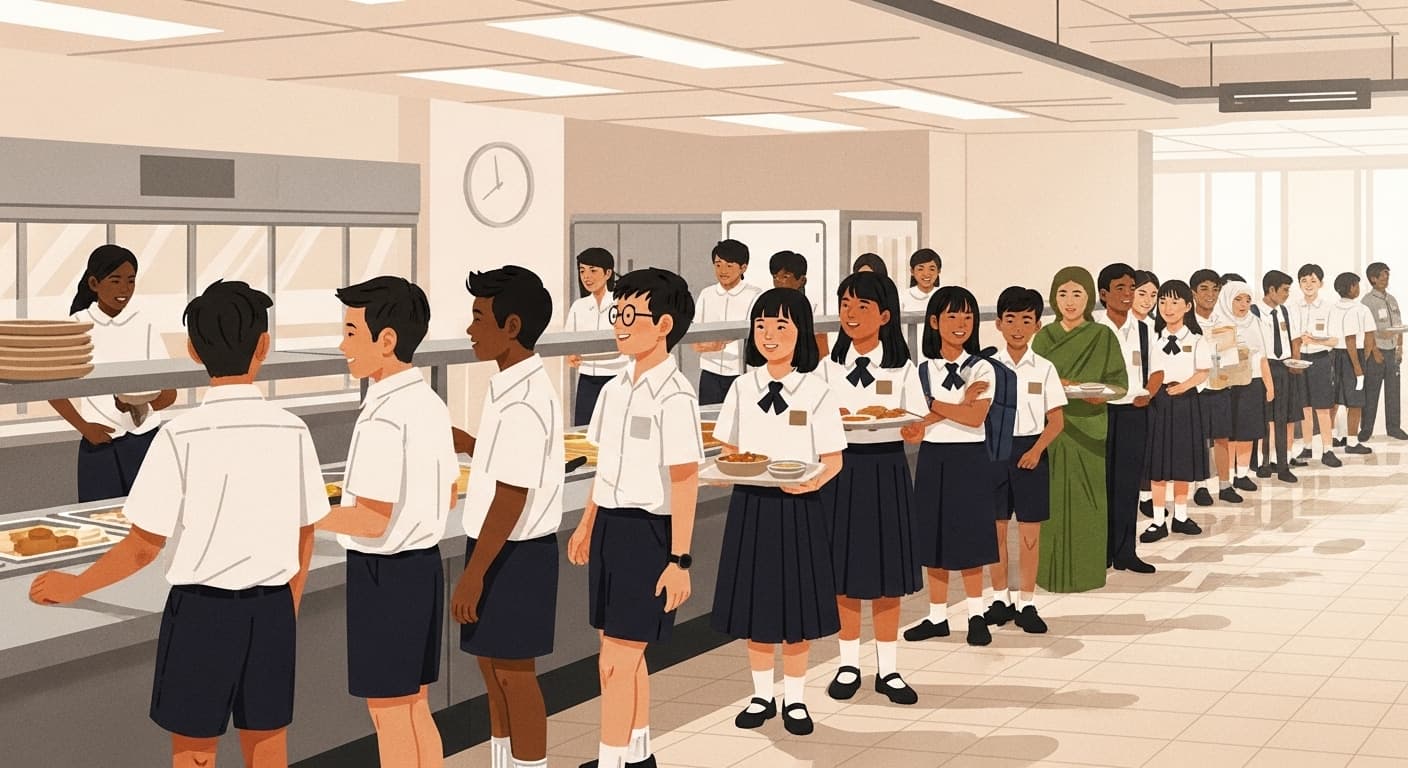
Queuing Manners
排队的礼貌
Queue-cutting Q3 probes 排队的礼貌还重要吗? (Are queuing manners still important?). Defend a clear view with a real moment from MRT, hawker, or bus stop.
Practise this topic →
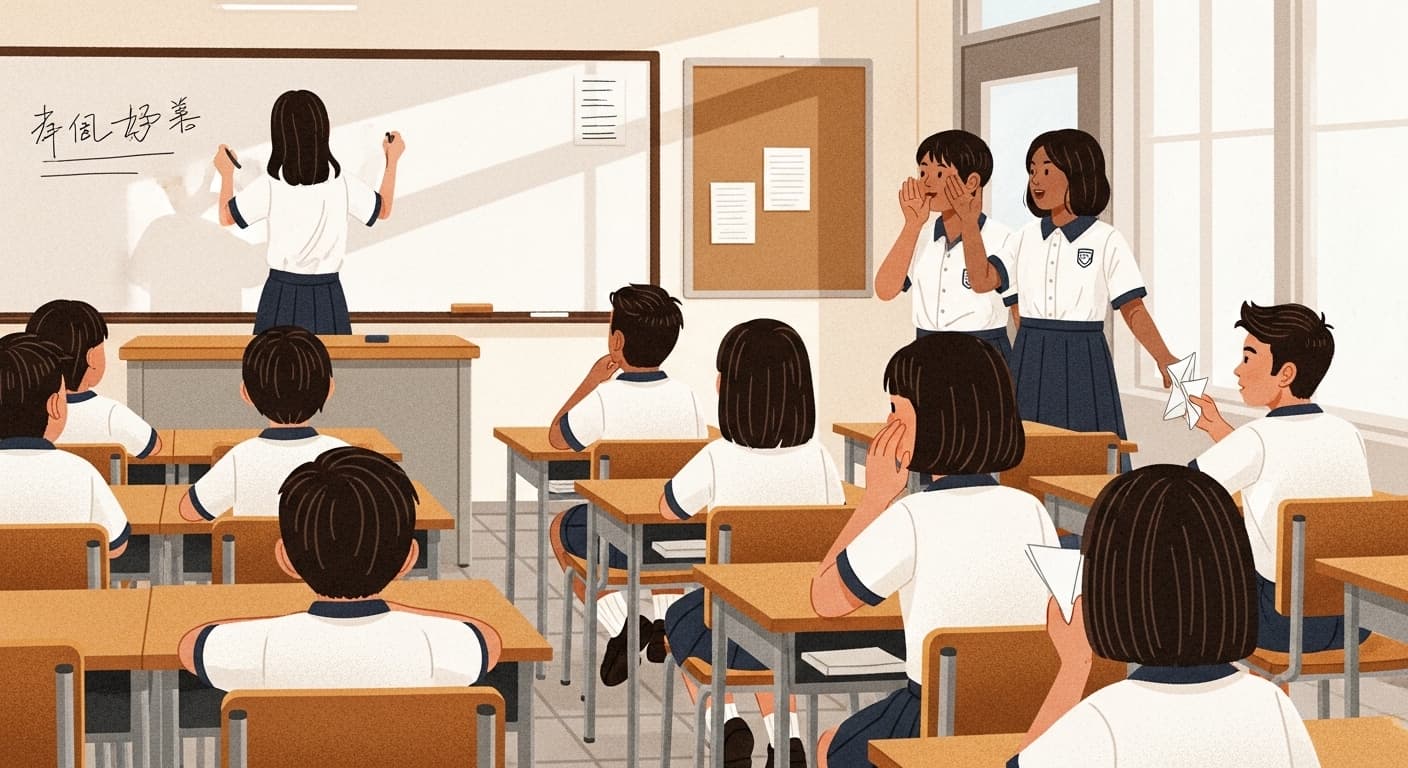
Respecting Teachers
尊重老师
尊重老师 (respecting teachers) topics reward students who can name HOW they show respect — not just declare it important. One small action this term wins.
Practise this topic →

Polite Speech
说话的礼貌
Polite-speech topics let Q3 probe what families have lost. Name one phrase your parents use, or one phrase you wish more students did.
Practise this topic →
Vocabulary bank for this category
- 礼貌lǐmào— manners / politeness
讲礼貌是一种美德。
Being polite is a virtue.
- 尊重— to respect
我们要尊重每一个人。
We should respect every person.
- 诚实chéngshí— honest
做人要诚实。
We should be honest in life.
- 节俭— thrifty
妈妈是个节俭的人。
Mum is a thrifty person.
- 浪费làngfèi— to waste
浪费食物是不好的。
Wasting food is not good.
- 美德měidé— virtue
勤劳是中华民族的美德。
Diligence is a Chinese virtue.
Common mistakes to avoid
- Saying 诚实很重要 (honesty is important) three different ways. Name a CONSEQUENCE — what happens in a school or family without it.
- Pretending you've never lied or wasted money. Examiners don't believe perfection. Pick a small moment and explain what you learned.
- Confusing rich with extravagant on 买名牌 questions. The issue isn't wealth — it's value.
For parents
Ask 「今天看到有人没礼貌吗?发生了什么?」 (Did you see anyone being rude today? What happened?). That triggers a story instead of a slogan — and stories are what Q2 needs.
Practise with an AI examiner
Practise any topic in this category with our AI 华文 examiner — free for the first 10 sessions.
Real PSLE 华文 oral conversation format: video stimulus, three examiner questions, instant scoring on the SEAB rubric, bilingual feedback for parents.
Start 10 free practice sessionsNo credit card · No time limit on the trial